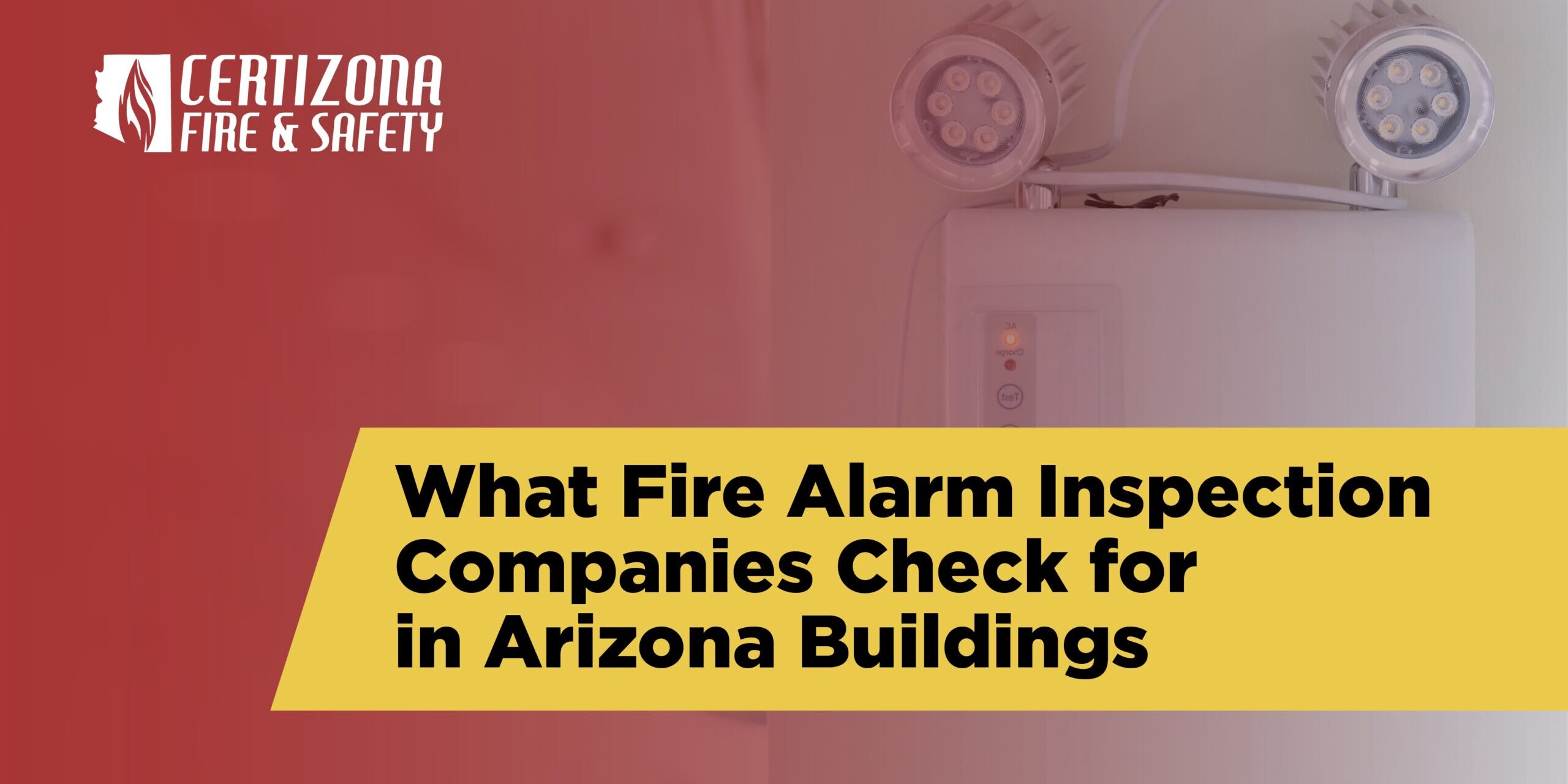
Fire alarm inspection companies play a vital role in identifying system failures before a destructive emergency occurs.
Arizona building inspections verify that alarms detect fire hazards and alert occupants when every second counts.
The U.S. Fire Administration reveals that a modern structure fire can easily go from a small flame to flashover in just 3 to 5 minutes.
Fires quickly double and spread in as little as 30 seconds.
Adhering to fire safety regulations and Arizona fire codes is crucial to fire safety compliance.
Ensure alarm systems meet required standards and remain ready to alert occupants during a fire.
Follow these fire alarm maintenance tips to keep your alarm systems emergency-ready.
What Do Fire Alarm Inspection Companies Check During an Inspection?
The American Red Cross reports that a simple smoke alarm cuts your risk of dying in a fire nearly in half.
A faulty smoke alarm delays critical fire detection.
In larger buildings, the consequences of not having one or more functional smoke detectors are even more detrimental.
Fire alarm inspection companies test smoke detectors and heat sensors to confirm they respond to fire conditions.
Inspectors check control panels for faults and verify that alarms activate properly.
They examine notification devices to ensure occupants receive audible and visual warnings.
Technicians may also inspect wiring and backup batteries.
The inspection report lists any defects and recommends repairs to restore reliable alarm operation.
How Does Fire Safety Compliance Affect Arizona Buildings?
Arizona buildings must meet fire safety codes to protect occupants and maintain compliant alarm systems.
Inspections verify that fire alarm components function as required, such as:
- Smoke detectors
- Heat sensors
- Notification devices
- Manual pull stations
- Fire alarm control panels
- Backup batteries
Missing tests or unresolved defects lead to failed inspections and even costlier corrections.
Commercial property owners should follow applicable fire codes and maintain inspection records.
Staying compliant reduces fire risks and supports safer evacuations when alarms sound during an emergency.
What Do Arizona Building Inspections Review for Fire Alarms?
Arizona building inspections examine whether fire alarm installations meet applicable building codes.
Reviewers compare device placement with approved plans.
Inspectors look for common installation issues that could affect performance.
They may also check permits for recent system upgrades and confirm required approvals are documented.
Unapproved modifications can trigger code violations or delay occupancy approval.
Accurate documentation avoids unnecessary complications during the inspection process.
Building owners should keep project records accessible to demonstrate compliance.
How Often Should Fire Alarm Systems Be Inspected in Arizona?
Fire alarm testing schedules in Arizona depend on the adopted fire code and applicable NFPA 72 requirements.
Under NFPA 72, system smoke detectors in commercial buildings generally require annual functional testing.
Arizona property owners should confirm local inspection rules before setting schedules.
Required fire alarm systems are required to remain operational.
Any documented defects must be repaired promptly.
Contact your local fire authority for clarification on any jurisdiction-specific deadlines.
What Fire Alarm Maintenance Tips Should Arizona Property Owners Follow?
Arizona property owners should test fire alarm systems according to manufacturer instructions and applicable code requirements.
Schedule professional inspections to catch faults before an emergency.
Keep control panels free of active trouble signals.
Replace damaged devices promptly. Check backup batteries for signs of failure.
After renovations, confirm that changes haven’t affected detector placement or alarm coverage.
Always contact a qualified technician when faults persist, or equipment fails testing.
What Fire Safety Regulations Apply to Commercial Fire Alarm Systems?
Commercial fire alarm systems must comply with applicable fire codes and NFPA 72 requirements.
These standards govern aspects like:
- System installation
- Inspection
- Testing
- Maintenance
- Design
- Recordkeeping
Local authorities may require permits before major equipment changes.
Businesses must keep testing records and correct identified defects.
Requirements vary by occupancy type and building size.
Property owners should confirm local rules before modifying alarm systems to avoid failed inspections.
Non-compliance also causes costly repairs or delays in approval.
How Do Arizona Fire Codes Affect Fire Alarm Inspections?
The state of Arizona adopted the International Fire Code 2024 (IFC 2024) as its main fire code system in 2026.
However, Arizona jurisdictions, like Phoenix, can adopt local amendments, so requirements may vary by location.
- IFC Section 901.6 – Inspection, Testing, & Maintenance: Requires fire protection systems to remain operational and defective equipment to be repaired or replaced
- IFC Section 907 – Fire Alarm and Detection Systems: Covers when fire alarm systems are required and how systems must be designed and installed
- IFC Section 907.7 – Acceptance Testing: Covers testing after installation to verify that the system operates according to approved plans
The NFPA 72 National Fire Alarm and Signaling Code provides additional requirements for inspecting/testing and maintaining alarm components.
Frequently Asked Questions
Who Is Responsible for Scheduling a Fire Alarm Inspection?
Building owners and property managers are typically responsible for scheduling fire alarm inspections.
Arizona businesses must follow applicable fire codes and local inspection requirements.
Property managers should coordinate with qualified technicians before deadlines approach.
Tenants need to report any alarm issues promptly.
Keeping inspection records supports compliance and tracks necessary repairs.
What Records Should Be Kept After a Fire Alarm Inspection?
Keep the inspection report with the date and technician’s name.
Record test results and any faults found during the visit.
Save repair invoices after corrections are completed.
Follow-up test records confirm the alarm system works as intended.
Organized documentation supports fire code compliance and provides a reliable maintenance history.
What Happens If a Fire Alarm System Fails an Inspection?
A failed fire alarm inspection requires prompt corrective action.
The inspector documents deficiencies and recommends necessary repairs.
Building owners should hire qualified technicians to fix identified problems.
A follow-up test may be required to verify system performance.
Unresolved violations lead to hefty fines or other enforcement measures under local fire codes.
Safeguard Your Property from Destructive Fires with Certizona Fire and Safety in Arizona Today
Fire alarm inspection companies provide essential insight into the condition of commercial alarm systems.
Inspection findings show where repairs or adjustments are needed.
Staying current with testing gives business owners greater confidence in their fire safety measures.
Certizona Fire and Safety, located in Phoenix, AZ, provides comprehensive fire and safety services for both residential and commercial properties.
Our 24-hour mobile emergency service delivers to the Phoenix Metro, Prescott Tri-City, and White Mountain Areas.
You can trust our 30+ years of experience to protect your property.
Contact Certizona Fire and Safety to request a quote from us today.
Need Fire Sprinkler Repair Near Me?
Turn to Certizona Fire & Safety for professional fire sprinkler repair services that keep your property protected and compliant. Our certified team provides reliable troubleshooting, repairs, inspections, and maintenance to ensure your fire sprinkler system operates efficiently and is ready when it matters most.
Call (623) 227-2092 or request an online quote today!

Backed by 30+ years of experience, Certizona Fire & Safety helps Arizona businesses and homeowners stay protected with certified fire protection inspection, testing, and repair services. Our team is known for reliable service, competitive pricing, and a strong commitment to safety. Request a quote today to keep your property protected and compliant.